
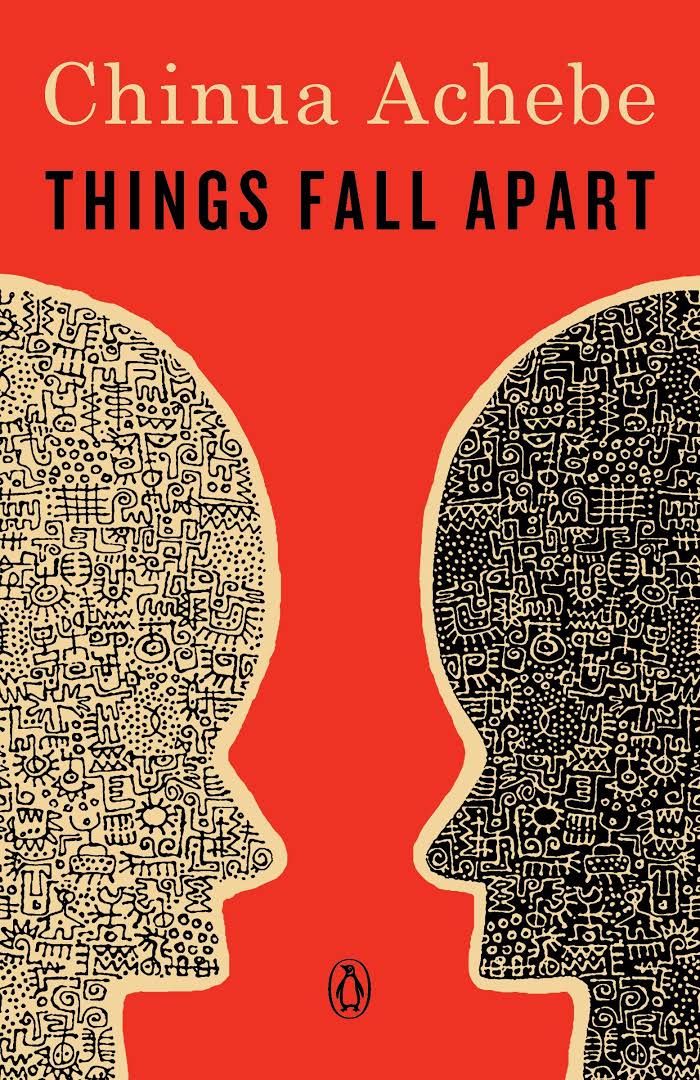
Things Fall Apart Paperback – September 1, 1994
“A true classic of world literature . . . A masterpiece that has inspired generations of writers in Nigeria, across Africa, and around the world.” —Barack Obama
“African literature is incomplete and unthinkable without the works of Chinua Achebe.” —Toni Morrison
Nominated as one of America’s best-loved novels by PBS’s The Great American Read
$7.58
CompareThings Fall Apart is the first of three novels in Chinua Achebe’s critically acclaimed African Trilogy. It is a classic narrative about Africa’s cataclysmic encounter with Europe as it establishes a colonial presence on the continent. Told through the fictional experiences of Okonkwo, a wealthy and fearless Igbo warrior of Umuofia in the late 1800s, Things Fall Apart explores one man’s futile resistance to the devaluing of his Igbo traditions by British political andreligious forces and his despair as his community capitulates to the powerful new order.
Based on 0 reviews
Be the first to review “Things Fall Apart Paperback – September 1, 1994”
Related products
-
African Books, Products
Ancient Egypt: The Definitive Visual History (DK Classic History)
Take a journey through Ancient Egypt and see how the pharaohs once lived!
An enticing and insightful guide that covers 3,000 years of life under the pharaohs (c. 3200-30 BCE) from the early kings of Egypt to the reign of Cleopatra and the Roman conquest, this book explains it all!
Written by a team of respected Egyptologists, this book includes the following exciting things:
• Themed spreads explore developments in areas like religion, writing, painting, ceramics and medicine.
• Biography spreads feature the lives of the most influential pharaohs and queens.
• Detailed maps set the main sites in context, and show the growth of the civilization and its trade network.
• An optional 80-page reference section provides a directory of the pharaohs and gods and goddesses.Unlock every aspect of Ancient Egypt, from pharaohs and pyramids to ordinary people’s everyday lives and beliefs. With 31 Egyptian dynasties and 3,000 years of history, from the time of Narmer to that of Cleopatra and so much more, this is the perfect comprehensive guide to Egypt’s ancient civilization.
There’s so much to learn and experience with this up-to-date biography on Ancient Egypt. With more than 850 photos, illustrations and maps, this is the perfect book for thinkers, borrowers, life-long learners or anyone with an interest in ancient civilizations and Egyptology.
SKU: 0744029244 -
African Books, Products
Art Africa (Art Periods & Movements)
The common ground of these expressive objects is their African origin. However, little is known about the artists who created them. On their journey through space and time the context in which these works of art must be seen has changed and thus their meaning has, too. Here they are brought together in a fascinating panorama of African art.
SKU: 3741921610 -
African Books, Products
African Art Now: 50 Pioneers Defining African Art for the Twenty-First Century
 African Books, Products
African Art Now: 50 Pioneers Defining African Art for the Twenty-First Century
This deluxe hardcover survey, featuring profiles of 50 artists on the rise, is the definitive guide to contemporary African art.
With African artists attracting sizable audience numbers to museums, setting sky-high auction records, and appearing in mainstream press, it has become impossible to overlook the cultural significance of contemporary African art today. Author and curator Osei Bonsu’s engaging profiles of leading African artists—along with gorgeous full-color reproductions of their work—introduce readers to a generation of movers and shakers whose innovative artwork reflects on Africa as both an idea and an experience. Using diverse forms, languages, and expressions to articulate what it means to be a part of the world, these artists generate alternate histories and imaginative futures—work that is both personal and political, universal and incredibly specific. Their work helps define contemporary African art as a vast artistic and cultural movement.
STELLAR ROSTER OF ARTISTS: Amoako Boafo, Njideka Akunyili Crosby, Tunji Adeniyi-Jones, Bronwyn Katz—from household names to up-and-coming artists, African Art Now features some of the most exciting artists working today.
IMPORTANT AND TIMELY: Over the past two decades, contemporary African art has become part of the global mainstream, inspiring countless exhibitions, fairs, and auctions around the world. And yet, African art remains overlooked as an area of dedicated study due to continued academic and cultural bias. This book shines a spotlight on the artists whose wide-ranging accomplishments represent the shifting dynamics and boundless possibilities of African art today.Perfect for: Artists, art collectors, art lovers, and museumgoers Artists, art collectors, art lovers, and museumgoers Educators and students Educators and students Anyone interested in learning about contemporary African art Anyone interested in learning about contemporary African art
SKU: 1797217208


There are no reviews yet.